How cloud credits work, and what expires first
Credits are simpler than they look and have more edges than people expect. Four rules cover almost every question about them.

Cloud credits are one of the more misunderstood things in cloud billing, mostly because they look like money and behave like a coupon. Four rules explain almost every question that comes up.
Rule one: credits apply to an invoice, not to a purchase
You do not spend credits at the point of use. Usage is metered normally, an invoice is calculated, and eligible charges are then drawn from the credit balance. Anything not covered is billed to your payment method as usual.
This is why a valid payment method is required even on a credit funded account, and why an account with a healthy balance can still generate a real charge in the same month.
Rule two: they expire, and the order matters
Every credit carries an expiry date. Providers apply the soonest expiring eligible credit first, which is in your interest and worth knowing when you are holding several.
Two consequences:
- A large balance with a short window is worth less than a smaller one with a long window, if your burn rate cannot consume it in time.
- Unused credit is not refunded, converted or carried forward. It simply stops existing.
When planning around a credit, the honest calculation is expected monthly spend multiplied by months remaining, compared against the balance. If the balance is larger than that product, the excess is decorative.
Rule three: coverage has edges
The exclusions are similar across providers and follow a logic: credits cover the provider’s own metered services, not money that leaves the provider.
Commonly excluded:
- Third party marketplace software and subscriptions, because that revenue belongs to the seller.
- Support plan fees on some programmes.
- Upfront payments for reserved capacity or commitments.
- Certain premium or specialist services, which vary by provider and by credit.
- Taxes, in most jurisdictions.
The definitive list arrives with the credit itself. Read it rather than assuming, particularly if a large part of the planned spend is on a marketplace product.
Rule four: each provider has its own vocabulary
AWS calls them promotional credits, applies them per account, and lets you see the balance and expiry in the billing console. Organizations can share credits across member accounts depending on the credit’s terms.
Azure distinguishes the free trial credit from monthly credits attached to some subscription types and from sponsorship credits. They attach to a subscription, and moving a subscription between agreements can affect them.
Google Cloud attaches credits to a billing account rather than a project, which is why credit appears to go missing when you work in a project linked elsewhere. The mechanics are in Google Cloud account options.
Smaller providers issue trial credits with simpler terms, usually a flat balance with a short window and few exclusions.
Using cloud credits well
- Check the expiry first. It determines whether the balance is useful for your project or merely large.
- Spend it on the expensive things. Credit is best applied to the services you would otherwise hesitate over, not to the free tier.
- Do not build a permanent architecture on temporary money. Design something you can afford at list price, then let the credit cover the ramp.
- Watch the excluded line items. A marketplace database subscription paid in cash while credit sits unused is a common and avoidable mistake.
- Set a budget alert anyway. Credits mask real spend until they run out, and the first uncovered invoice is the one that surprises people.
Where to read more
Provider specific detail is in AWS account types explained, Azure account types explained and Google Cloud account options. For what happens once the credit runs out, cloud pricing models compared covers the commitment mechanisms that reduce the ongoing bill.
Common questions
Do cloud credits expire?
Yes. Every credit carries an expiry date, and providers consume the soonest expiring eligible balance first. Unused credit is lost at expiry, not refunded or carried forward.
Do credits cover marketplace purchases?
Usually not. Third party marketplace software, some support plans and certain upfront commitment payments are the most common exclusions across all three major providers.
Will a credit balance raise my quotas?
No. Quotas and credits are separate systems. A large balance does not let you launch more instances than your service quota permits.

AccountMarket Editorial
Written and maintained by the team behind accountmarket.org. We publish practical notes on the cloud platforms we work with every day, and we update articles when the platforms or our catalogue change.
Accounts covered in this article
Live options and pricing from the catalogue.
Buy Amazon AWS Account
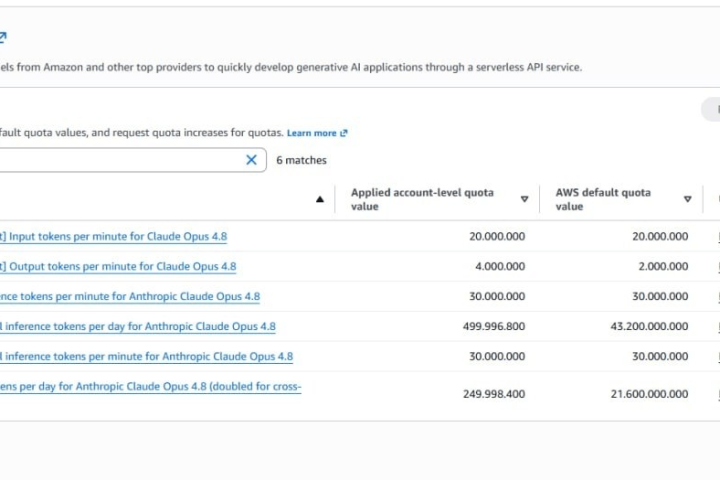
Amazon Web Services accounts with preloaded credits and root access, including Bedrock ready options across twenty plan tiers.
From $20.00
Buy Microsoft Azure Account
Azure subscriptions with credits and full portal access, covering tenants, resource groups and the quotas that matter before you deploy.
From $25.00
Buy Google Cloud Account
Google Cloud Platform accounts with preloaded credits and console access, sized for everything from a first project to production workloads.
From $60.00
Keep reading
Cloud Pricing
On demand, reserved, spot and committed use: cloud pricing models compared
Every provider sells the same machine four or five ways. The choice between them is worth more than almost any architectural optimisation.

Microsoft Azure
How Azure pricing works: meters, reservations and the savings plan
Azure has four ways to pay for the same virtual machine. Picking the right one is worth more than picking the right size.

Google Cloud
Google Cloud pricing explained: sustained use, committed use and per second billing
Google Cloud gives discounts you did not ask for and charges for things you did not notice. Both behaviours follow rules worth knowing before the first invoice.